Article
|
Industry Insights
CondoVerse Takeaways: Sales Galleries Are Doing More
SmartPixel
,
14 May 2026
.avif)
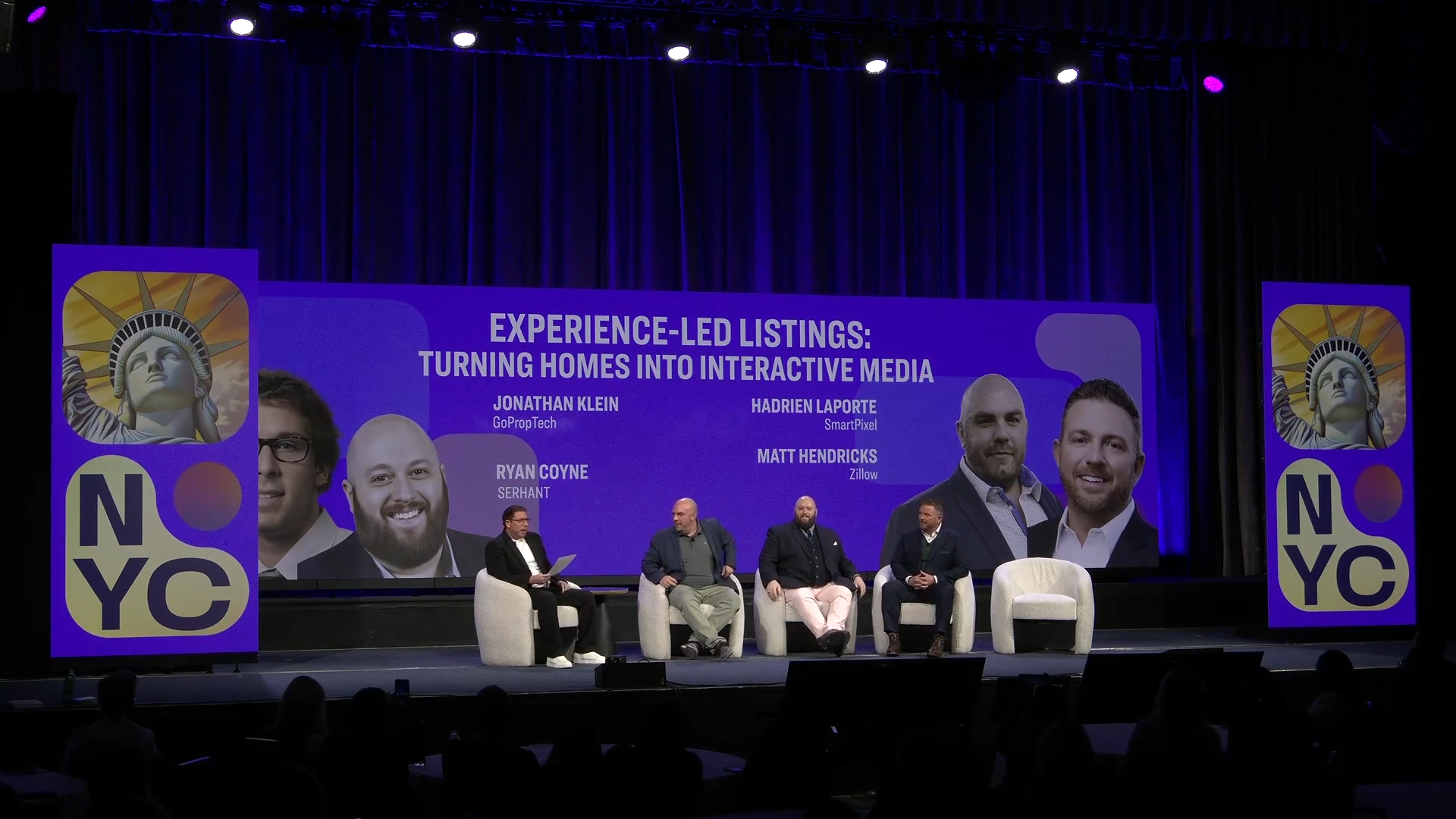
SmartPixel recently attended Bisnow CondoVerse in Miami, an event focused on the strategies shaping condo development, sales, and marketing in 2026.
The event brought together developers, brokers, sales leaders, architects, capital partners, and real estate technology companies to discuss where the condo market is heading next. Bisnow positioned the event around the most effective ways to develop, sell, and market condo projects in 2026, with topics spanning waterfront luxury, branded residences, buyer demand, design, construction, and sales strategy.
Across the panels and conversations, one theme stood out clearly:
The sales gallery is becoming one of the most important tools in pre-construction condo sales.
As projects become more ambitious and buyers become more selective, developers are under more pressure to make future buildings easier to understand before construction is complete. A floorplan, a rendering package, and a model still matter, but they are no longer enough to carry the entire sales conversation.
Today’s buyers need to understand the full project story. The building. The views. The amenities. The lifestyle. The surrounding neighborhood. The difference between unit lines. The value behind the location.
That puts more responsibility on the sales experience.
Pre-construction condo sales are built on belief. Buyers are asked to make major financial decisions before the residence, building, or neighborhood experience fully exists.
That has always been part of the market, but the expectations around that decision are changing.
Buyers are now comparing projects across cities, brands, waterfront locations, amenity packages, and lifestyle promises. In South Florida, this is especially important because the buyer pool is both local and global. MIAMI REALTORS reported that global buyers purchased 52% of new South Florida construction, pre-construction, and condo conversion sales over the previous 22 months, with buyers from 73 countries represented in the data.
That creates a bigger challenge for developers and sales teams.
A buyer from another market may not fully understand the neighborhood. An investor may care about availability, pricing, and future demand. An end-user may care more about views, amenities, and daily lifestyle. A broker may need to explain the project quickly to their own client.
The sales gallery has to support all of those conversations.
At CondoVerse, the conversation was not only about what is being built. It was about how projects are being positioned, presented, and sold.
That shift matters.
For developers, the sales gallery is no longer just a physical marketing space. It is where the project’s value is translated into something buyers can understand. It is where architecture, design, location, pricing, inventory, lifestyle, and brand all have to come together in one presentation.
The scale model still plays a major role. Rendered videos still help set the mood. Brochures and floorplans still support the conversation.
But the sales team also needs a way to move fluidly between the big picture and the buyer’s specific interests.
A buyer may start by asking about the building. Then they may want to compare two unit lines. Then they may ask about views. Then amenities. Then the surrounding area. Then availability.
The strongest sales experiences allow that conversation to happen naturally.
One of the clearest themes at CondoVerse was the growing importance of lifestyle in condo development.
This is especially true in Miami and South Florida, where waterfront access, branded residences, hospitality, wellness, design, and neighborhood identity are major parts of the sales story. Bisnow’s agenda included discussions around waterfront luxury, branded projects, design, construction, and the forces shaping Miami’s skyline.
For buyers, the product is bigger than the unit.
They are evaluating the morning view, the arrival experience, the amenities, the walk to the water, the feeling of the lobby, the surrounding restaurants, the marina, the skyline, the privacy, and the status attached to the address.
That is difficult to communicate through isolated assets.
A rendering can show a moment. A video can create emotion. A model can show scale. But the sales team still needs a way to connect those pieces into one clear story.
That is where interactive sales tools are becoming more important.
The more complex the project, the harder it is to present consistently.
Large condo developments often include multiple unit types, view corridors, amenities, phases, towers, exposures, floorplates, pricing tiers, and buyer profiles. For branded and waterfront projects, there is also a larger lifestyle and positioning story to communicate.
Without the right tools, sales teams can end up relying on scattered assets, manual explanations, and inconsistent presentation styles.
That creates risk.
One sales representative may explain the project differently from another. A buyer may leave without fully understanding the premium behind a specific unit. A broker may miss the strongest parts of the story. A high-value feature may only come up if someone remembers to mention it.
In a competitive pre-construction market, that is a problem.
Sales teams need presentation tools that help them show the project clearly, respond to buyer questions quickly, and keep the story consistent across every meeting.
This is where SmartPixel’s work fits into the larger CondoVerse conversation.
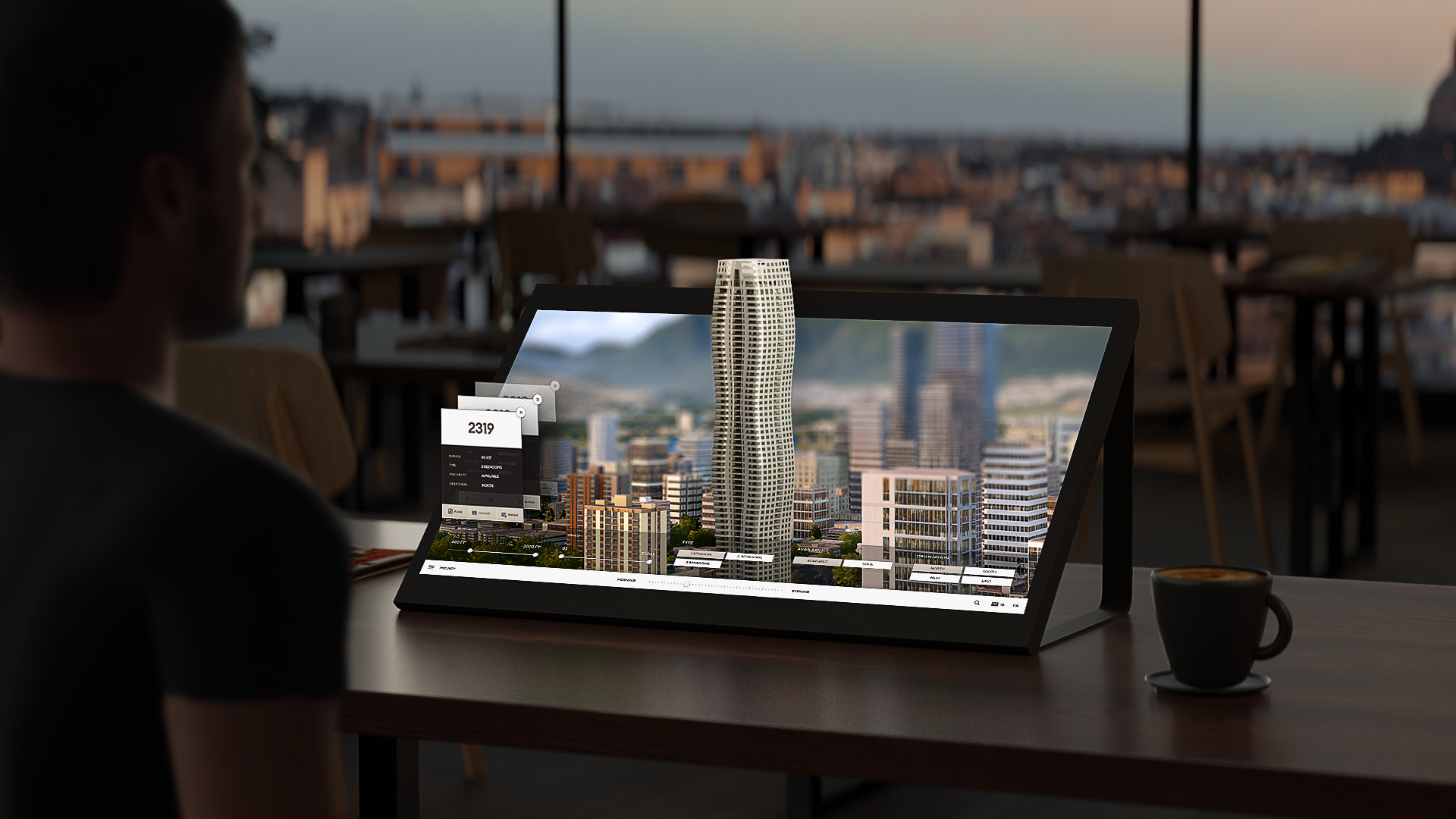
Interactive digital twins give sales teams a more complete way to present future developments before they are built. Instead of jumping between renderings, floorplans, videos, spreadsheets, and brochures, teams can guide buyers through the project in a single interactive experience.
A digital twin can help sales teams present:
The value is simple: buyers understand the project faster, and sales teams can present it with more control.
For developers launching luxury condos, branded residences, masterplans, or waterfront projects, this matters because the sales experience has to match the ambition of the development.
If the project is premium, the way it is presented should feel premium too.
The biggest takeaway from CondoVerse is that pre-construction sales are becoming more demanding.
Buyers expect more. Projects are more complex. Sales teams need to explain more in less time. Developers need early momentum. Brokers need better tools to communicate value. And the sales gallery has to do more than impress people when they walk in.
It has to help them understand why the project matters.
That does not mean replacing the traditional sales gallery. It means making the gallery work harder.
The best sales environments combine physical presence with interactive storytelling. They use the model, the screen, the visuals, the sales team, and the project narrative together. They help buyers move from interest to understanding, and from understanding to action.
At CondoVerse, the industry conversation made one thing clear: the future of condo sales will depend on how well developers can present projects before they exist.
For SmartPixel, that future is already taking shape inside the sales gallery.
SmartPixel helps real estate developers and sales teams present future projects through interactive digital twins built for sales galleries, showrooms, and buyer presentations.
Explore how SmartPixel helps developers bring pre-construction projects to life before they are built.
CondoVerse is a Bisnow event focused on condo development, sales, marketing, buyer demand, financing, design, and the strategies shaping the future of condominium projects.
CondoVerse brings together developers, brokers, sales leaders, architects, capital partners, and real estate technology companies to discuss the market forces affecting condo development and pre-construction sales.
The biggest challenges include helping buyers understand a project before it exists, communicating views and lifestyle value, differentiating in a competitive market, and giving sales teams the tools to present the project consistently.
Interactive digital twins help sales teams present a future development visually, including the building, units, amenities, views, surroundings, and availability. They make it easier for buyers to understand the project before construction is complete.
Sales galleries help developers create a physical and visual experience around a future project. They support buyer education, sales conversations, broker presentations, and early launch momentum before the building is delivered.
.png)
.jpg)