Article
|
Sales Technology
Interactive Technologies: A New Tool to Elevate Quality in Real Estate
Alexandre Lacoursière
,
05 Jun 2026
Interactive Technologies: A New Tool to Elevate Quality in Real Estate
Hello dear reader,
In a market where expectations for construction quality are constantly rising, the real estate industry is increasingly turning to interactive technologies to understand, anticipate, and control the challenges tied to projects. These tools no longer serve only to showcase a building or support marketing efforts: they are gradually becoming instruments of planning, transparency, and risk reduction.
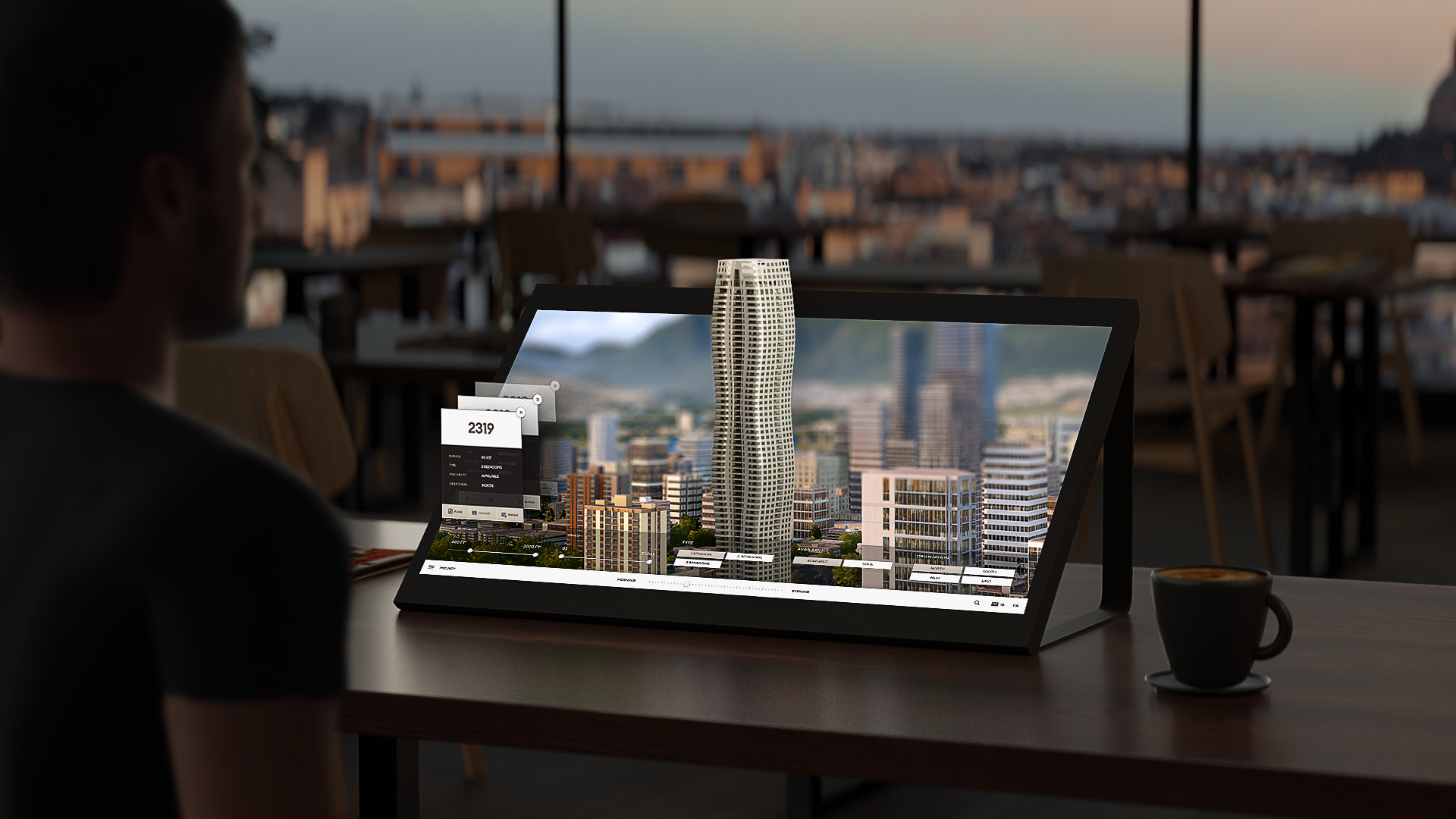
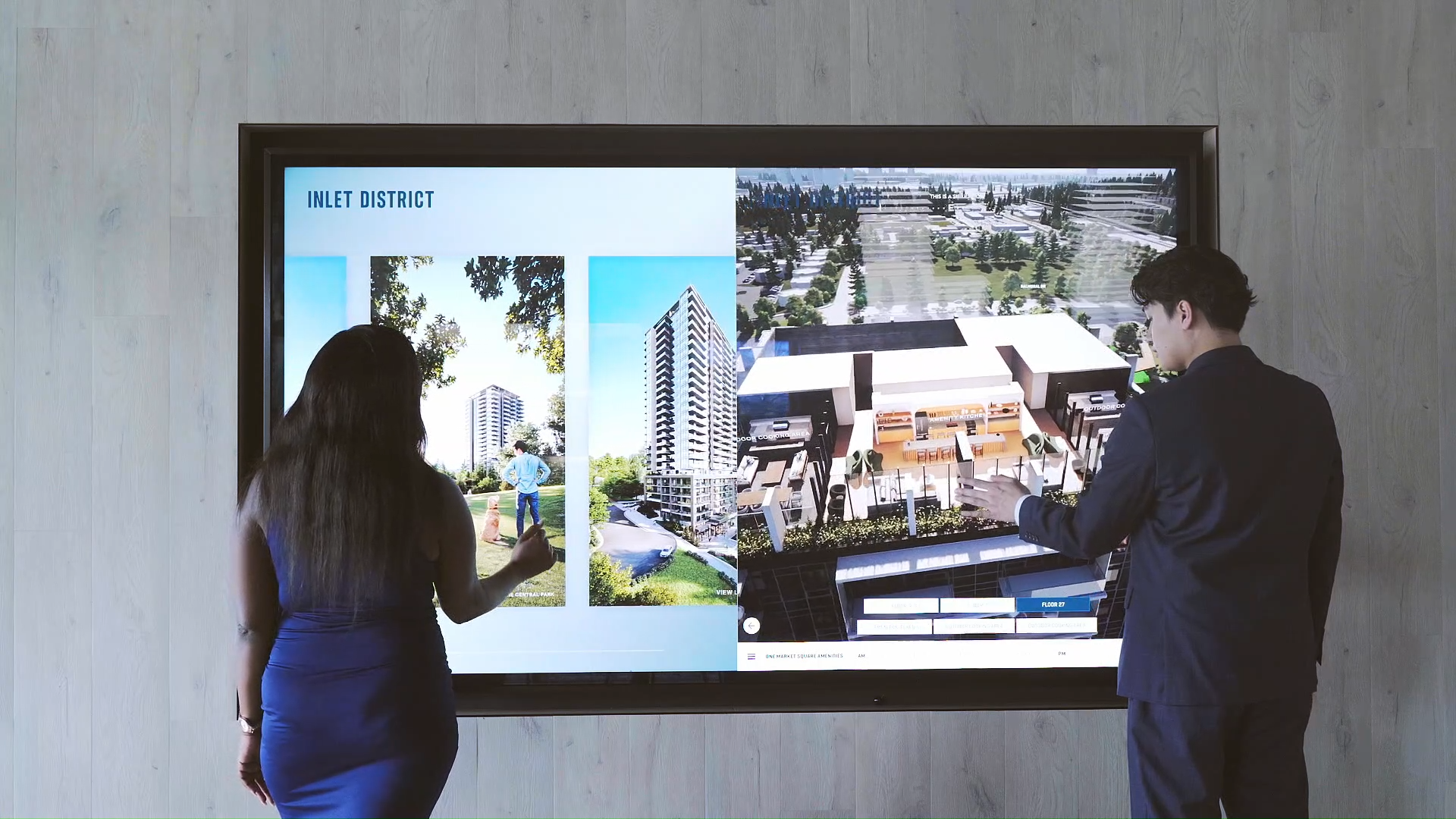
New immersive technologies — whether interactive 3D models, dynamic virtual tours, simulated environments, or real-time visualization tools — now make it possible to explore a building even before it is built. This ability to “step into” a project right from the early stages transforms the relationship between developers, engineers, architects, buyers, and municipal authorities.
Rather than relying solely on static plans, these tools offer a deeper understanding of volumetrics, circulation flow, scale, and natural light exposure. It becomes easier to identify technical issues, design inconsistencies, or structural constraints before they turn into costly mistakes on the construction site.
This evolution comes at a pivotal moment for the Quebec industry. As highlighted in the TV program La Facture, new incentives will soon come into effect to increase the number of inspections on construction sites. The goal: reduce the risk of defects, protect clients, and better support developers while avoiding problematic situations that have affected some builders in recent years (I will avoid naming them here; the information is readily available for those who wish to find it). In this context, interactive technologies can become a complementary tool to support execution quality. When used properly, they improve team communication, allow projects to be documented more thoroughly, and provide better visibility at every stage of the process. They do not replace mandatory inspections, but they help prepare for them and make the most of them.
These platforms also play an increasingly important role in transparency toward future buyers. A better-informed buyer, who clearly understands the real configuration of their future home, asks more questions and builds a healthier relationship with the developer. Interactive visualization thus becomes a vehicle for trust. It helps prevent common ambiguities in pre-construction projects: incorrect perception of square footage, misunderstanding of window placement, or overly abstract interpretation of plans. Showing rather than explaining reduces grey areas.
Finally, interactive tools are gradually becoming collaborative spaces where all project stakeholders can interact. Integrating data, testing different scenarios, simulating routes, or analyzing natural light at various times of day are all levers that improve decision-making. Even though certain technologies like BIM remain highly specialized but widely used, there is now a range of more accessible tools that enable every developer to enhance their practices.
The real estate industry of tomorrow will be more transparent, better documented, and more interactive. And while these innovations are often associated with marketing, they can contribute just as meaningfully to building properties that are more coherent, more durable, and above all, of higher quality.
Every era comes with its challenges, but it also brings its solutions.
Thank you for reading, and if you would like to suggest other topics, feel free to reach out at: alex@smartpixel.tv.
Looking forward to hearing from you!
.png)
.avif)
.jpg)